

Planning a trip to Spiti Valley? Discover how to reach Spiti by road, necessary permits for Indian and foreign travelers, and expert travel tips to make your journey safe and unforgettable.
Introduction
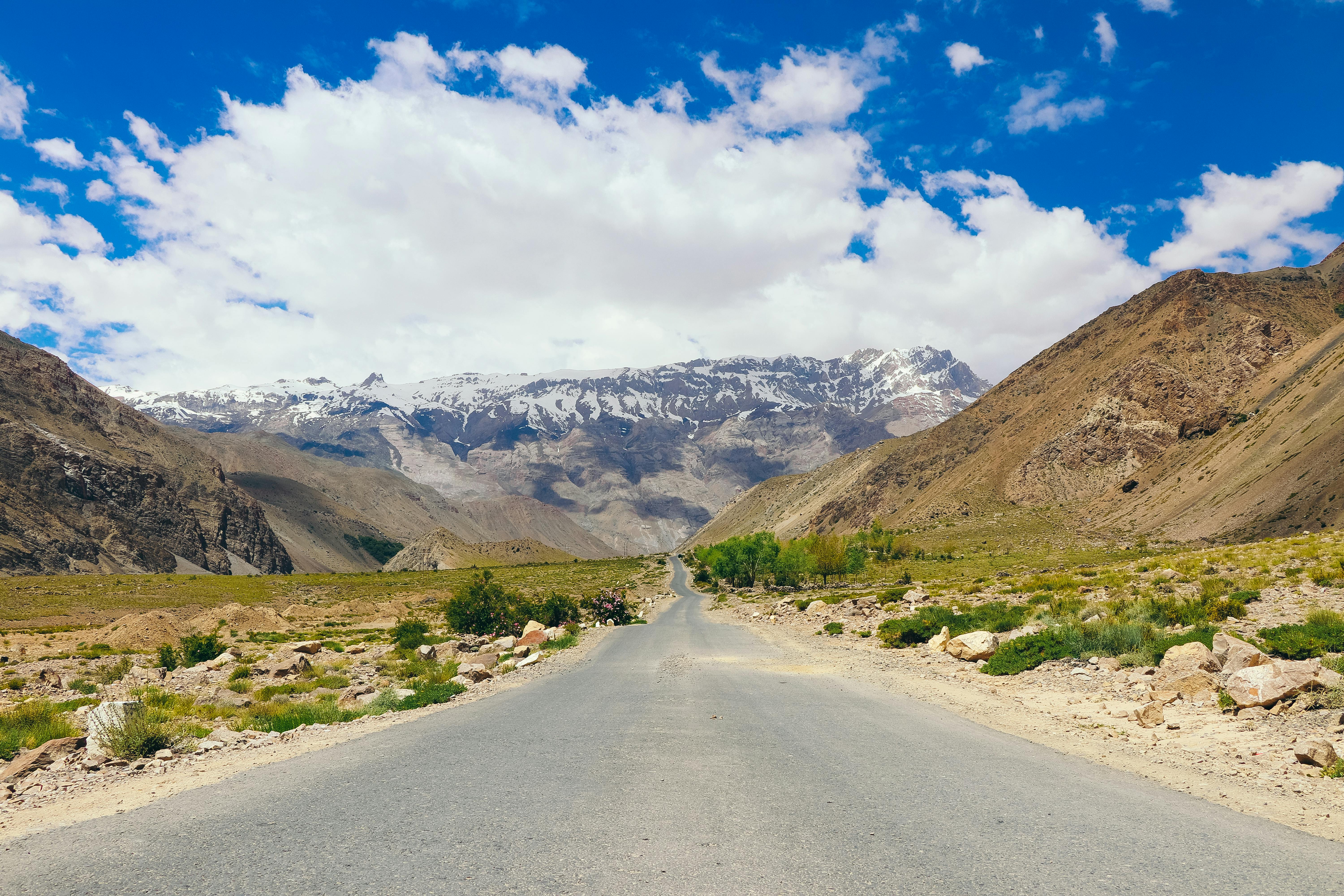
Looking to explore the raw beauty of the Himalayas? Spiti Valley, nestled in the remote regions of Himachal Pradesh, is a paradise for adventure seekers and nature lovers. But getting there requires some planning. In this comprehensive guide, we’ll break down how to reach Spiti Valley by road, the permits required, and essential travel tips to ensure a smooth and unforgettable journey.
How to Reach Spiti Valley by Road
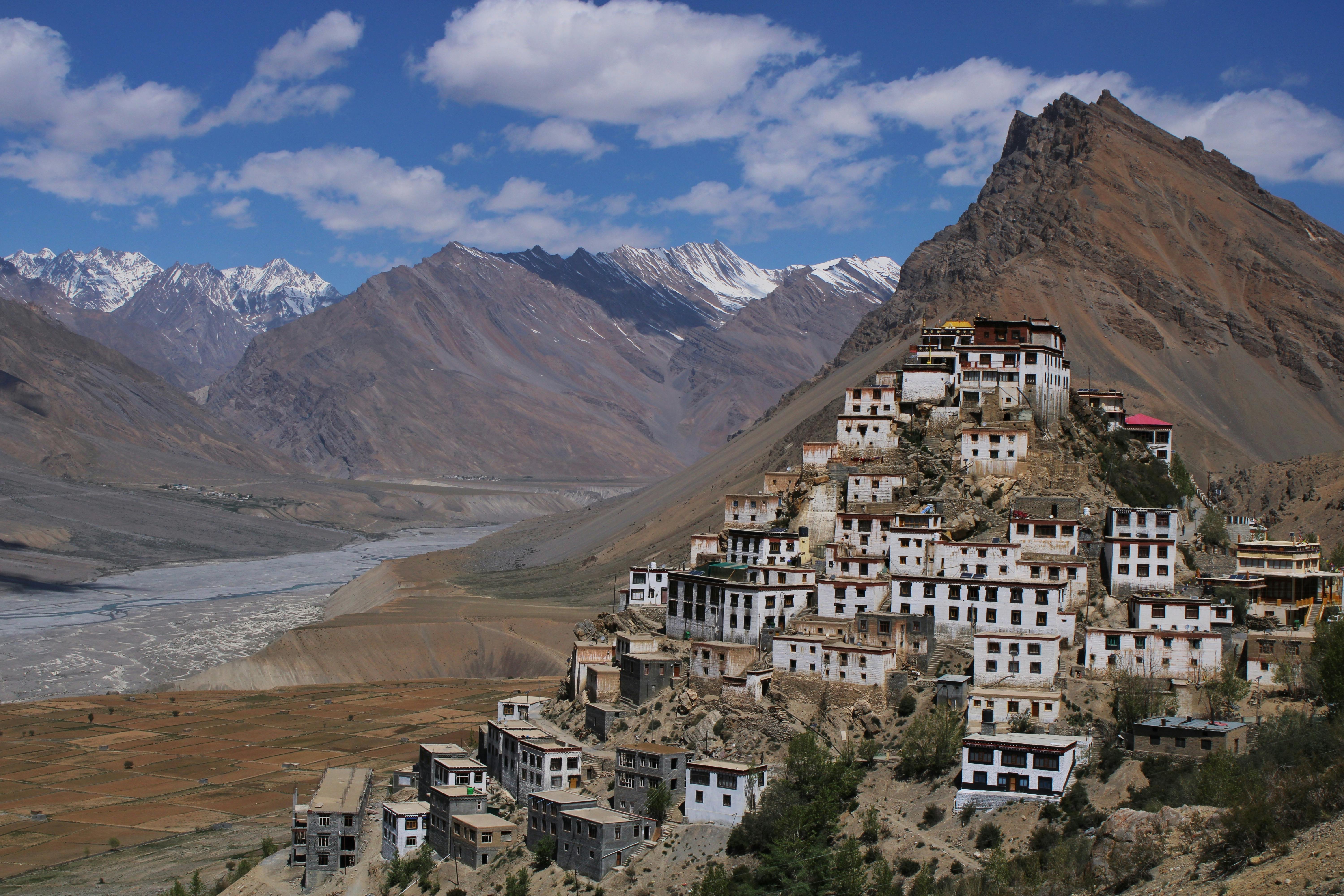
Spiti Valley is accessible only by road and there are two main routes:
1. Shimla to Spiti Valley Route (Via Kinnaur) – Open All Year Round
- Route: Shimla → Narkanda → Rampur → Kalpa → Nako → Tabo → Kaza
- Distance: Approx. 412 km
- Duration: 2–3 days (with stops)
- Best For: Year-round travel, gradual altitude gain
Pros:
- Safer during winter
- More scenic landscapes through apple orchards and riversides
Cons:
Longer distance and travel time
Manali to Spiti Valley Route (Via Rohtang & Kunzum Pass) – Seasonal
- Route: Manali → Rohtang Pass → Gramphu → Batal → Kunzum Pass → Kaza
- Distance: Approx. 200 km
- Duration: 10–12 hours
- Best For: June to October travel
Pros:
- Shorter distance
- Stunning high-altitude desert views
Cons:
- Steeper ascent can cause altitude sickness
- Closed from November to May due to snow
Permits Required to Visit Spiti Valley
For Indian Citizens:
No special permits are needed for Indian citizens to travel to Spiti Valley. However, carry a valid ID proof such as an Aadhaar Card or Voter ID.
For Foreign Nationals:
Foreigners must obtain an Inner Line Permit (ILP) to travel to certain parts of Spiti, especially near the Kaurik and Shipki La regions.
- Where to Get ILP:
- DC Office, Reckong Peo (Kinnaur)
- Manali SDM Office
- Online via Himachal Tourism portals (in some cases)
- Documents Required:
- Valid Passport and Visa
- Passport-sized photographs
Pro Tip: Get photocopies of your documents in advance; not all remote areas have print/photocopy services.

Best Time to Visit Spiti Valley
| Season | Highlights | Road Access | Notes |
|---|---|---|---|
| Summer (May–Oct) | Best time for road trips, all routes open | Both routes | Ideal for first-timers |
| Monsoon (July–Sept) | Lush views but occasional landslides | Risky on Shimla side | Check weather updates |
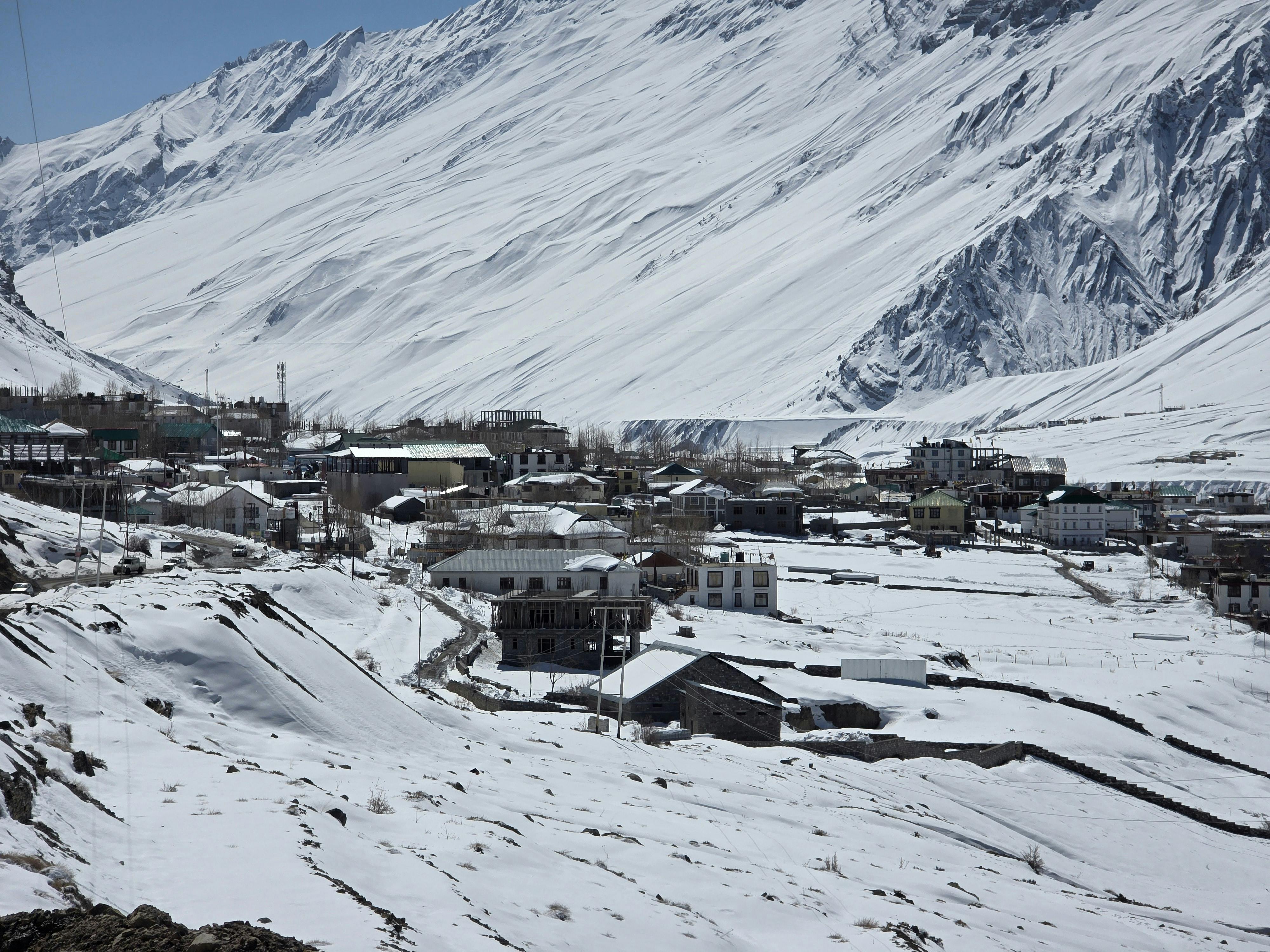
| Winter (Nov–Feb) | Snow-covered paradise | Only Shimla route open | Ideal for experienced travelers |
Pro Travel Tips for Spiti Valley
Acclimatize properly: Spend a night in Reckong Peo or Kalpa to adjust to the altitude.
Carry cash: ATMs are scarce beyond Reckong Peo and Manali.
Mobile networks: Only BSNL and Jio work in Kaza (intermittent signal).
Fuel up: Last petrol pump is at Reckong Peo or Manali. Carry extra fuel.
Pack smart: Include woolens, medicines (Diamox), torch, and spare vehicle parts.
Final Thoughts
Spiti Valley is not just a destination—it’s an experience. While the journey might be long and challenging, the surreal landscapes and warm hospitality make it all worthwhile. Whether you’re planning a self-drive road trip or using public transport, knowing how to reach Spiti Valley safely and legally will make your adventure smooth and memorable.
Quick FAQ
Q1: Can I take a regular car to Spiti Valley?
A: High ground clearance vehicles like SUVs are recommended, but skilled drivers have completed trips in hatchbacks via the Shimla route.
Q2: Is it safe to visit Spiti Valley alone?
A: Yes, but ensure you inform someone about your itinerary and carry offline maps.
Q3: Are permits required for photography drones?
A: Yes, drone usage is restricted in border areas. Get special permission from local authorities.

Leave a comment