

Discover the best time to visit Spiti Valley with our detailed season-wise breakdown. Plan your Spiti trip with insights on weather, road conditions, and activities.
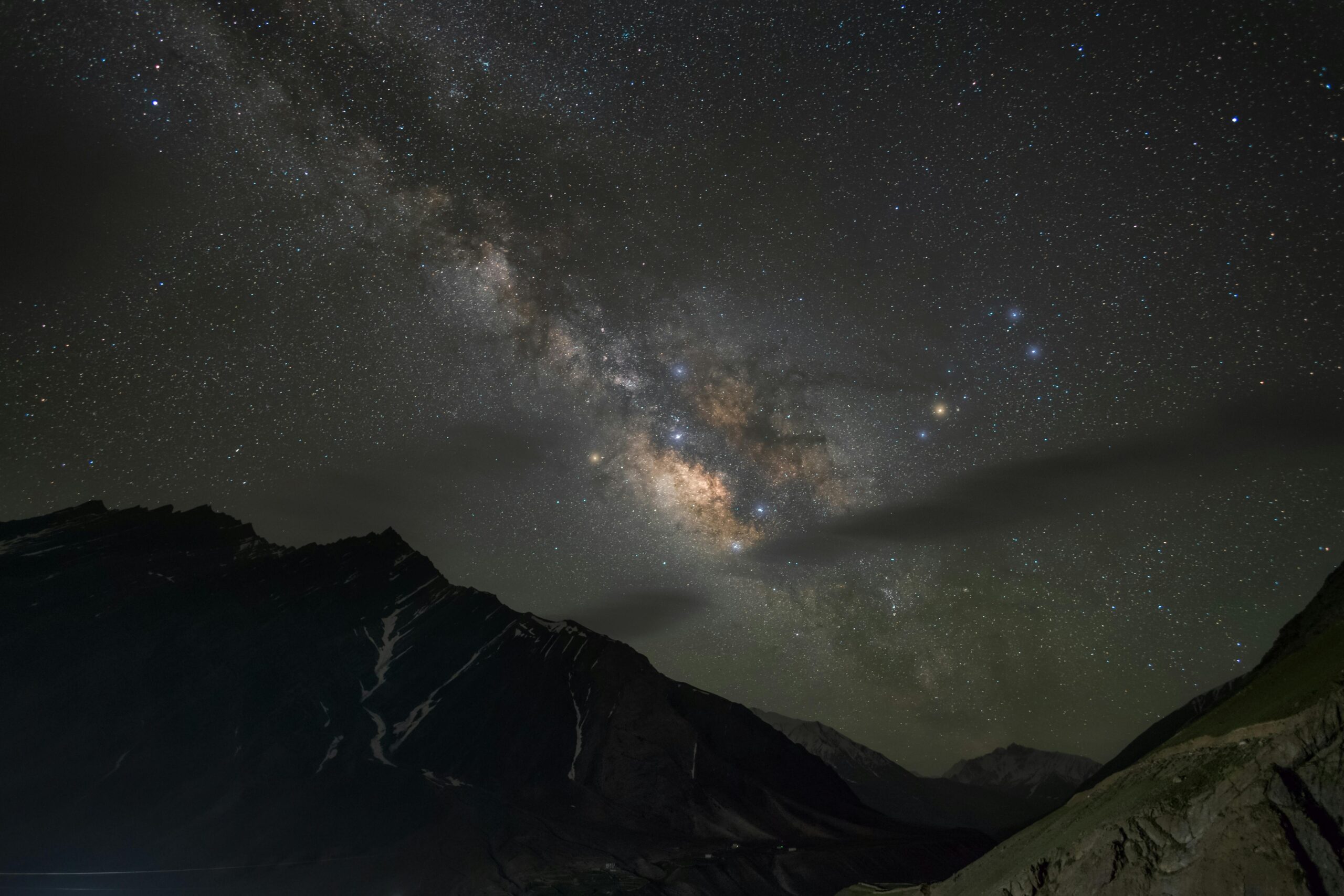
Hidden in the cold deserts of Himachal Pradesh, Spiti Valley is a paradise for adventure seekers, nature lovers, and cultural explorers. Whether you want to witness snow-covered monasteries, blooming wildflowers, or raw Himalayan beauty, choosing the right season to visit Spiti can make all the difference.
In this guide, we’ll break down Spiti’s weather season-wise so you can plan the perfect trip
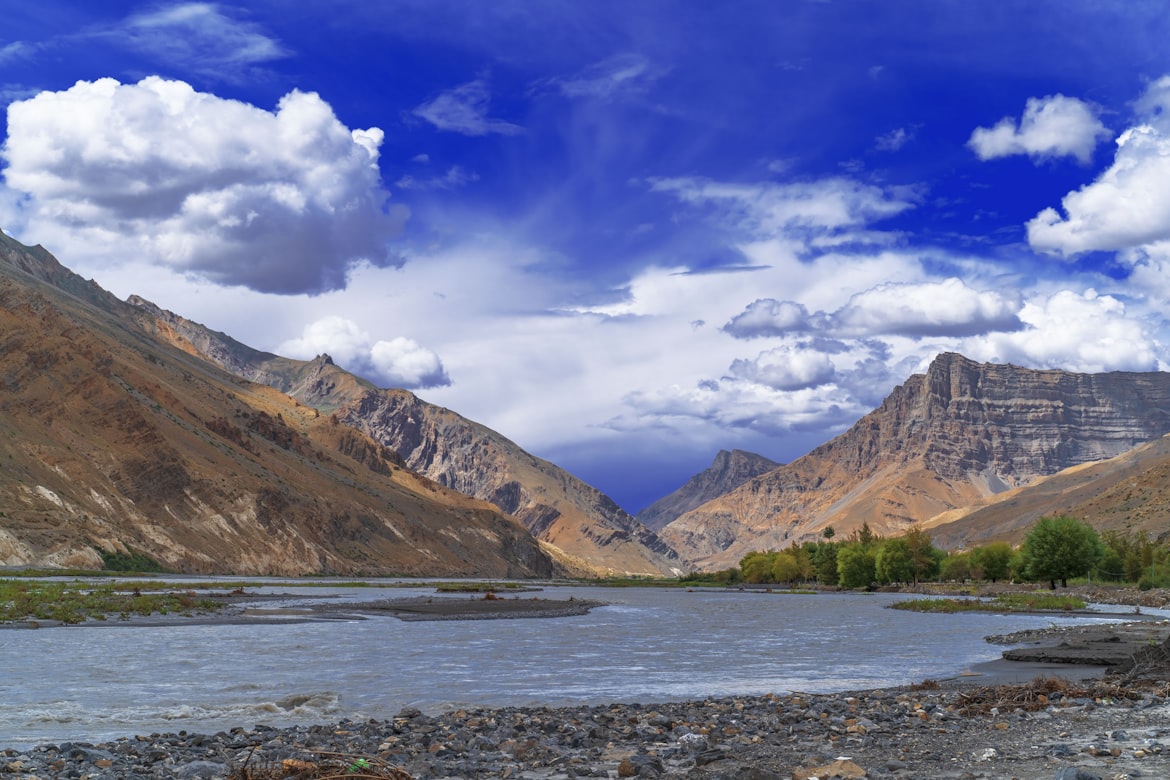
Spiti in Summer (May to mid-July) – The Peak Travel Season
Why Visit:
Summer is the most popular time to visit Spiti Valley. The roads from Manali to Kaza and Shimla to Kaza are open, the skies are clear, and the landscapes are vibrant.
Weather:
Temperature ranges from 15°C to 25°C during the day, with cooler nights.
Highlights:
- Road trips across the iconic Kunzum Pass
- Visit key attractions like Key Monastery, Chandratal Lake, and Tabo Monastery
- Ideal time for trekking and camping
- Access to remote villages like Langza, Komic, and Hikkim
Travel Tip:
Book your accommodations in advance, as this is the peak season for Spiti tourism.
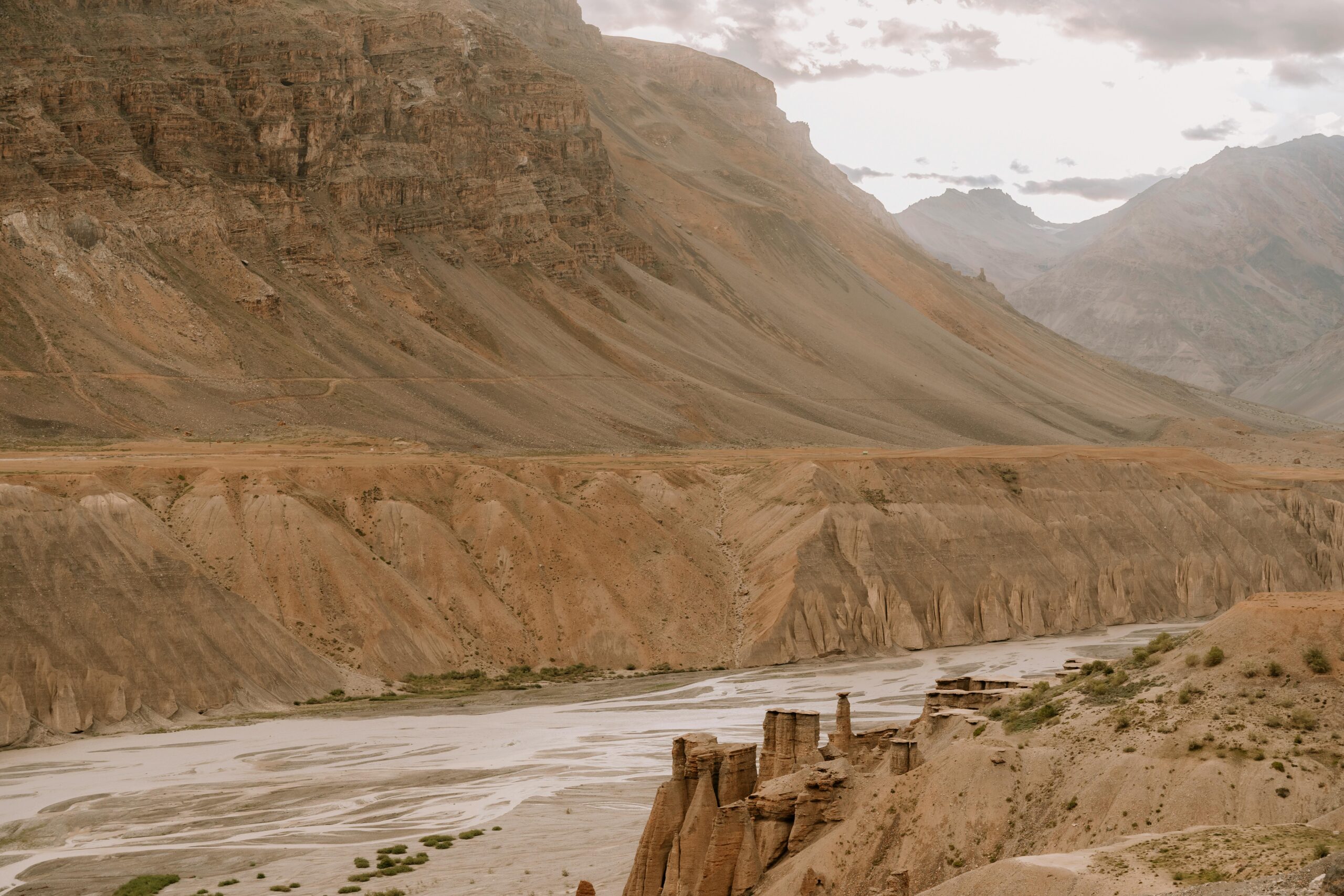
Spiti in Autumn (Mid-September to October) – For Photographers and Solitude Seekers
Why Visit:
Post-monsoon, Spiti turns golden with a unique rustic charm. The crowds thin out, making it perfect for peaceful exploration.
Weather:
Temperatures range from 10°C to 20°C, dropping sharply at night.
Highlights:
- Stunning fall colors in Pin Valley
- Perfect lighting for landscape photography
- Crisp air and clear skies
- Lower tourist traffic
Travel Tip:
Manali-Kaza road may close anytime after mid-October due to early snow, so check updates regularly.
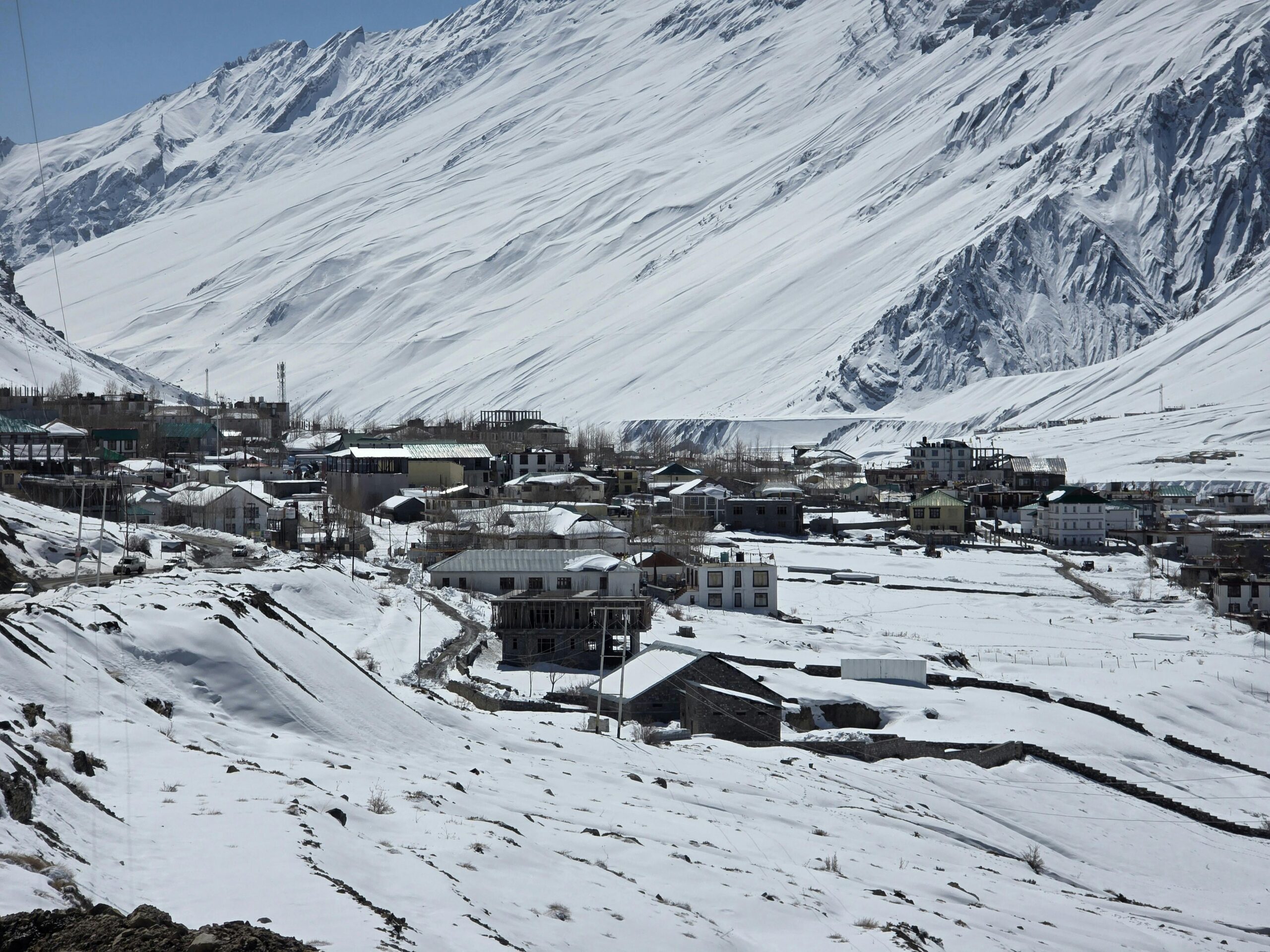
Spiti in Winter (November to March) – The True Offbeat Adventure
Why Visit:
Winter in Spiti is raw, unforgiving, and magical. This is for those who want to experience Spiti in its most authentic, untouched form.
Weather:
Temperatures can plummet to -20°C or lower, especially in January.
Highlights:
- Snow-covered villages and frozen rivers
- Chance to spot the elusive Snow Leopard
- Winter homestays with warm hospitality
- Participate in local festivals like Losar (Spitian New Year)
Travel Tip:
Only the Shimla-Kaza route remains open in winter. Be prepared for harsh conditions and limited amenities.
Spiti in Monsoon (July to early September) – Not Ideal, but Possible
Why Visit:
Though Spiti itself is a rain-shadow region, the approach roads via Shimla and Manali can be risky due to landslides.
Weather:
Day temperatures hover around 15°C to 20°C, but road conditions are unpredictable.
Highlights:
- Lush greenery on the approach routes
- Lesser crowds
- Monastery festivals like Ladarcha Fair in August
Travel Tip:
Only attempt this if you’re an experienced mountain traveler. Always check road updates and travel advisories.
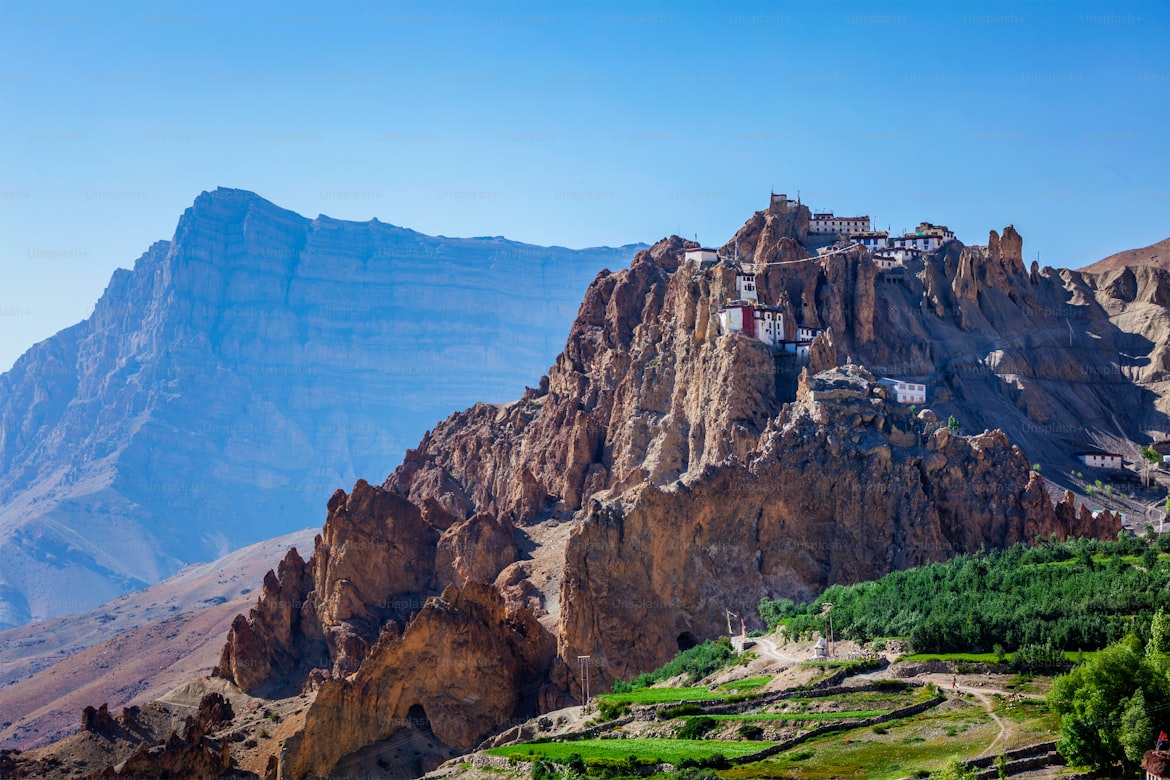
Conclusion: When Is the Best Time to Visit Spiti Valley?
- For first-timers and road trippers: May to July
- For photographers and solitude: September to mid-October
- For thrill-seekers and culture lovers: December to February
Each season reveals a different side of Spiti Valley. Whether you crave adventure, photography, or cultural immersion, there’s always a perfect time to visit Spiti Valley based on your interests.
✅ FAQs
Q. Can I visit Spiti in December or January?
Yes, but only via Shimla. Be ready for snow, freezing temperatures, and limited accommodations.
Q. Is it safe to visit Spiti during monsoon?
The valley is dry, but the approach roads can be hazardous. Always travel with caution.
Q. Which is better – Spiti in summer or winter?
Summer is ideal for easy travel and sightseeing. Winter is for offbeat travelers seeking raw beauty.

Leave a comment